
The Importance of Regular Heart Checkups and Prevention Methods:
The heart is the body's primary engine, so maintaining its health is essential for a long, problem-free life. In this article, we will explore the importance of regular heart checkups and how to prevent heart diseases.
🔹 Why is regular heart checkup important?
✅ Helps in early detection of heart and artery diseases.
✅ Reduces the risks of heart attacks and serious complications.
✅ Gives doctors the opportunity for early intervention before health issues worsen.
🔹 How to maintain a healthy heart?
1️⃣ Follow a healthy diet: Eat fiber-rich foods like fruits and vegetables and avoid saturated fats.
2️⃣ Exercise regularly: Even 30 minutes of walking daily helps strengthen the heart.
3️⃣ Avoid smoking and alcohol: They contribute to artery blockage and increased blood pressure.
4️⃣ Get regular checkups: Such as ECG, cholesterol tests, and blood pressure checks.
5️⃣ Manage stress: It can lead to high blood pressure and heart issues.
📌 Do you experience symptoms like chest pain or shortness of breath? Don’t hesitate to schedule an appointment with Dr. Tarek Salah for necessary tests.
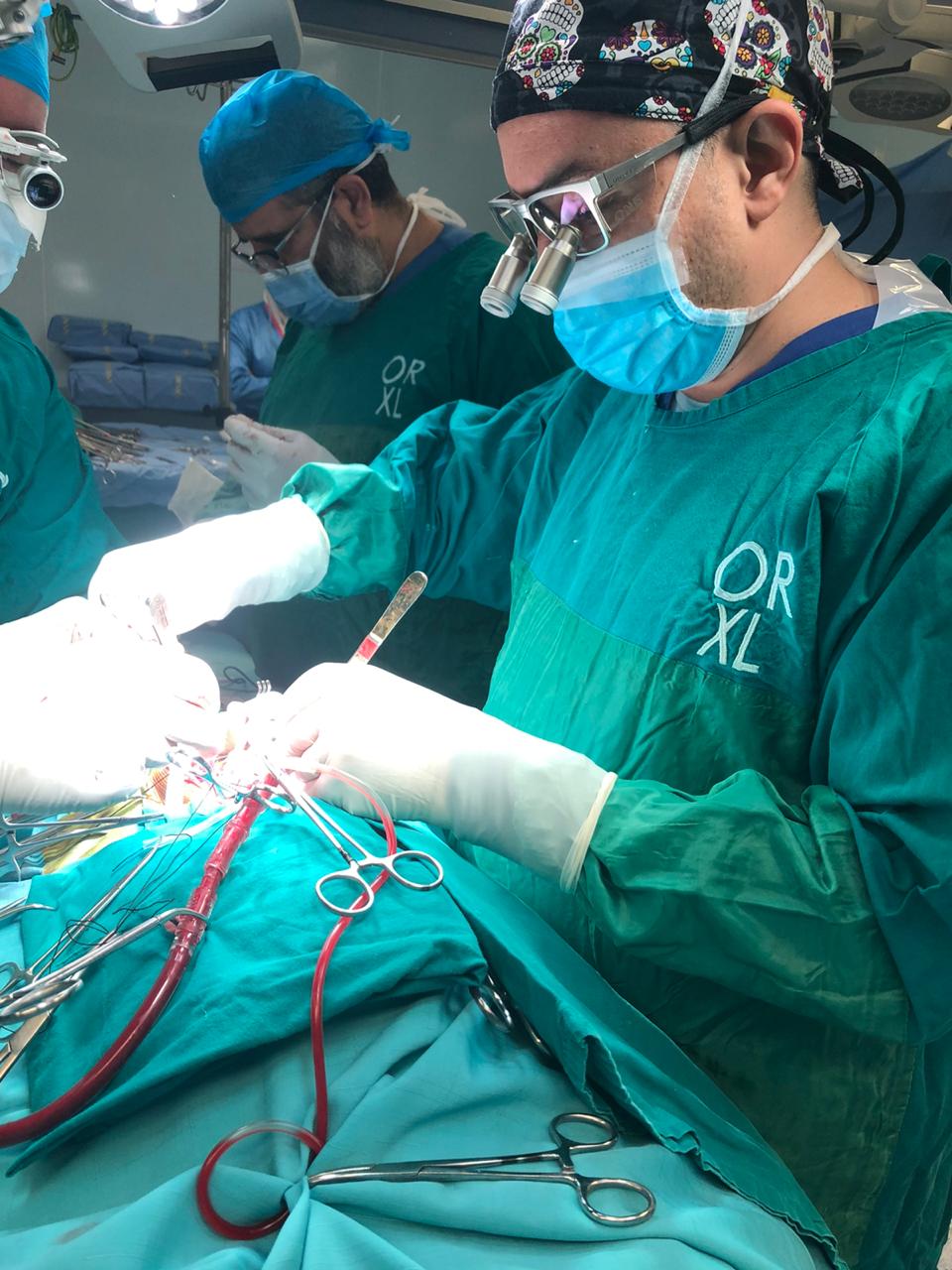
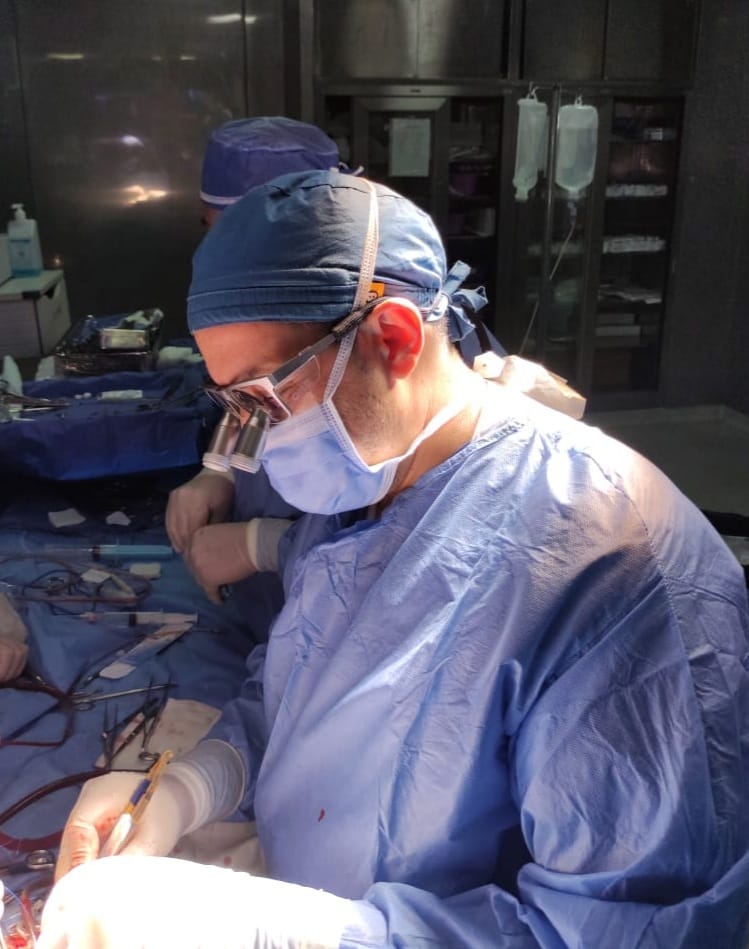
Open heart surgery – when is it necessary and how to prepare for it?
Open heart surgery is one of the most precise and complex procedures, performed to treat severe heart issues that cannot be resolved with medications or interventional procedures.
🔹 When does a patient need open heart surgery?
✅ In cases of coronary artery blockage that does not respond to angioplasty. ✅ When heart valves are damaged and require repair or replacement. ✅ To treat congenital heart defects, especially in children. ✅ When a pacemaker needs to be implanted or heart enlargement needs to be treated.
🔹 How to prepare for surgery?
🔹 Before the procedure:
Stop smoking and drinking alcohol before surgery.
Undergo medical tests like blood analysis, X-rays, and ECG.
Follow the doctor’s guidelines regarding medications allowed before surgery.
🔹 After the procedure:
Rest completely in the first few days following surgery.
Avoid intense physical activity until recovery.
Regular follow-ups with the doctor to assess health status.
📌 If you need consultation regarding heart surgeries, you can contact Dr. Tarek Salah to schedule an appointment and receive the best medical care.
Post-Pediatric Heart Surgery
Guidance for Recovery After Open-Heart Surgery
After the successful completion of open-heart surgery, we are pleased to answer some questions about what to do and what not to do after surgery.
During the first week, it is best to stay home.
Wash your hands frequently to avoid infection.
Ask your cardiologist about the need for antibiotics before any dental or surgical procedure.
Medications should be taken according to your cardiologist's instructions, and no medication should be discontinued without consulting your cardiologist.
Regular follow-up with a specialist cardiologist is required within 7 to 14 days from the date of discharge.
Keep the wound clean and dry.
Do not apply ointments to the wound for at least two weeks.
Shower a week after the surgery date.
Cover the wound while eating and drinking.
Examine the wound daily and look for any signs of infection (redness, swelling, pus, or inflammation).
Avoid direct sun exposure for 6 weeks.
Remove the stitches at the site of the chest tube after one week.
A fever of more than 38 degrees that does not go away with antipyretics.
Difficulty breathing, shortness of breath, rapid breathing,
Nausea, vomiting, diarrhea, abdominal pain.
Loss of appetite.
Excessive tension and inability to sleep.
The child shows no signs of improvement.
Most babies at this age do not need to be restricted from routine activities.
The baby should not be held under the arm for the first two weeks.
Return to the nursery should not occur until 4-8 weeks after follow-up with a cardiologist.
Routine vaccinations should be postponed for 6-8 weeks after surgery.
Activities are reduced for 6-8 weeks (until the wound heals).
Children are encouraged to dress daily, brush their teeth, eat meals with the family, and resume school activities.
Heavy lifting is prohibited for 4-8 weeks.
Children can return to school after 4-8 weeks.
Avoid rough play that can cause rib cage injuries (football, cycling, etc.) for 8 weeks.
The patient will continue taking the blood thinning medication (Marevan) for life.
During the first two weeks after discharge, a blood thinning test will be performed every five days until the follow-up appointment.
A blood thinning test must be performed monthly, or as directed by the physician, to control blood thinning.
Side effects of the blood thinning medication should be monitored and reported to the physician, such as bleeding in the urine, nosebleeds or bleeding from the gums, or bleeding under the skin.
Any medication that interacts with the blood thinning medication, such as aspirin or vitamin K, should not be taken.
Reduced intake of green leafy vegetables should be avoided, as they contain vitamin K.
Keep the wound clean and dry for 48 hours, then remove any bandages.
Take baby aspirin until your next surgery.
Follow up regularly with your doctor until your next surgery.
Regular follow-up is very important. The family should be well aware of the child's next scheduled surgical intervention.
It is necessary not to stop medical treatment until an ultrasound is performed and the treating physician confirms that the child's condition is good and does not require drug treatment.
Post-Open Heart Surgery for Adults
Guidance for Recovery After Open Heart Surgery
After the successful completion of open heart surgery, we are pleased to answer some questions about what to do and what not to do after surgery.
Wound healing may take longer in diabetic patients.
Pain around the wound is expected to gradually decrease, with less pain each day.
It’s normal to feel some itching at the wound site, but it's advised not to scratch it.
You can shower after four days post-surgery, but do not scrub the wound. Gently pat it dry, and you can use soap as long as the wound site is dried carefully, provided there are no secretions.
Do not apply creams or ointments to the wound site.
Note: If there is excessive redness around the wound or discharge, consult your doctor immediately.
The sternum takes several weeks to heal, and it's normal to feel some minor pain until the healing process is complete, especially when sneezing or coughing.
During this period, it's best to wear a chest belt properly and hold a small pillow tightly against your chest when coughing or sneezing. Avoid carrying heavy objects or resting your hands on your hands when sitting or sleeping in bed.
Do not sleep on your side. Sleep only on your back for at least six weeks.
If you notice movement in your sternum or an abnormal sound when moving, turning over in bed, or coughing, please consult your physician.
Temperature should be monitored three times daily with an oral thermometer before eating or drinking.
Note: If the temperature rises above 38°C, consult a physician.
Patients should begin exercising after the procedure and resume normal activities within a month and a half of surgery. They should walk for 10 minutes daily in a warm environment, gradually increasing the duration of the walk. They should also climb stairs, resting for a few minutes after each step. Driving a car is permitted four months after the procedure under normal circumstances.
It's normal to experience a lack of appetite and aversion to food or drink after surgery for varying periods of time, ranging from one patient to another. This period may last up to four weeks.
Appetite begins to improve over time, and during this period, attention must be paid to nutrition, particularly the protein needed for body rebuilding.
Care must be taken to avoid weight gain during the recovery period.
The diet should be as follows:
- Small portions, frequently.
- Low salt.
- Low fat.
You may experience numbness or loss of sensation in one side of your chest, leg, or forearm, and this is normal.
Swelling of the leg from which the vein was taken for surgery may occur if the patient fails to wear a medical stocking above the knee, ensuring that the stocking is neither loose nor sagging and that it is only removed during sleep.
It is preferable to position the leg higher than waist level when sitting and to avoid twisting the leg.
Daily physical therapy should be performed on the leg from which the vein was taken.
Note: If swelling occurs in the legs, consult your physician.
Patients who have had one or both valves replaced with a metal-on-metal prosthetic valve require warfarin, a blood-thinning medication, to maintain valve function.
PRT and PC (prothrombin time and concentration) and INR (intrarenal red blood cell) tests should be performed periodically.
The results should be presented to the treating physician weekly and then monthly.
Do not take any of the following medications with blood-thinning drugs unless approved by your doctor: Rheumatic drugs (NSAIDs), aspirin, sulfa compounds, or vitamin K.
Do not receive intramuscular injections while taking blood-thinning medication.
Consult your doctor before any surgical procedure or tooth extraction.
Consult your doctor if you experience any bleeding or bruising on the body.
Blood-thinning medication should be stopped if the doctor orders it before procedures such as artificial valve surgery.
If pregnancy occurs, consult your doctor before taking any medications after surgery.
Increase your intake of fruits like oranges and apples, and others, while taking diuretics.
Blood sugar levels for diabetic patients.
Cholesterol, triglycerides, and low-density lipoproteins (LDL) levels.
Kidney and liver function tests every three months.
A guide to diet after heart surgery for adults:
